
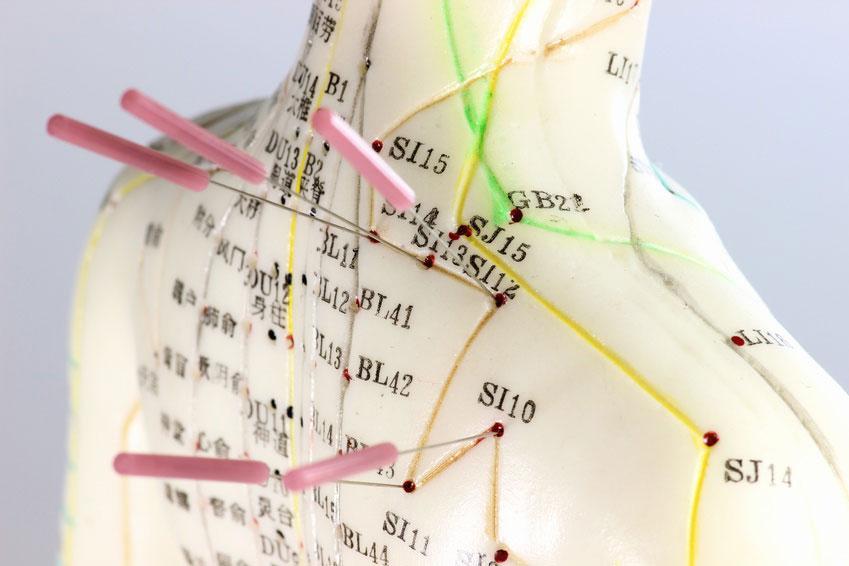
This comprehensive guide examines how acupuncture effectively treats stress, anxiety, and related mental health conditions. We explore the neuroscience behind acupuncture's calming effects, review clinical research, explain treatment protocols, and discuss what to expect from sessions.
Whether you're experiencing generalized anxiety, panic attacks, work-related stress, or insomnia, this article provides evidence-based insights into how Traditional Chinese Medicine can support your mental health alongside conventional treatments.
The Modern Stress and Anxiety Crisis
Stress and anxiety have reached epidemic proportions in modern society. According to recent Australian statistics:
- 1 in 4 Australians experience anxiety in their lifetime
- Stress-related conditions account for significant workplace absences
- Anxiety disorders are the most common mental health conditions
- Many people prefer non-pharmaceutical approaches
While medications and psychotherapy remain valuable tools, many individuals seek complementary approaches with fewer side effects. Acupuncture has emerged as a scientifically supported option for managing stress and anxiety.
Understanding Stress vs. Anxiety: What's the Difference?
Stress
Response to external pressures or demands. Usually related to specific situations and typically resolves when the stressor is removed. Can be acute or chronic.
Anxiety
Persistent worry often without specific external cause. Excessive fear or apprehension about future events. May include panic attacks and can occur even when life is stable.
How Acupuncture Addresses Both
Acupuncture works on multiple levels to address both stress and anxiety:
- Calms the nervous system (addressing stress response)
- Reduces excessive worry and rumination (addressing anxiety)
- Tackles physical symptoms
- Enhances sleep and energy
- Improves overall resilience
The Neuroscience: How Acupuncture Calms the Nervous System
Modern research has identified specific mechanisms through which acupuncture affects the nervous system:
Neurotransmitter Regulation: Increases serotonin and GABA levels, producing calming effects similar to medications but non-addictive.
Autonomic Balance: Activates the parasympathetic "rest and digest" system, reducing cortisol while lowering heart rate and blood pressure.
HPA Axis Regulation: Normalizes stress response and reduces excessive cortisol levels.
Brain Region Modulation: fMRI studies show acupuncture deactivates the amygdala (fear center) and regulates emotional control regions.
Clinical Research: What Studies Show
Generalized Anxiety Disorder (GAD)
Research Findings:
- Multiple RCTs demonstrate efficacy
- Results comparable to some anti-anxiety medications
- Benefits sustained after treatment concludes
- No significant adverse effects reported
Typical Results:
- 40-60% reduction in anxiety symptoms
- Improved Hamilton Anxiety Scale scores
- Better sleep and reduced physical symptoms
- Enhanced quality of life
Insomnia Related to Stress and Anxiety
Evidence Level: Strong
- Improved sleep onset (fall asleep faster)
- Better sleep quality and duration
- Reduced nighttime waking
- 50-70% improvement rates
Treatment Protocols and What to Expect
Initial Consultation (60-90 minutes)
Your first visit includes a comprehensive mental health history assessment, physical symptoms evaluation, TCM diagnosis (pulse reading and tongue examination), and personalized treatment planning with realistic goals and timeline.
Typical Treatment Session (45-60 minutes)
- Preparation Phase (5 min): Brief stress-level check-in with comfortable positioning
- Needle Insertion (5-10 min): 10-15 fine needles placed at various body locations with minimal discomfort
- Rest Period (25-35 min): Therapeutic core where many patients fall asleep
- Post-Treatment (5 min): Most clients experience calm, centered, refreshed sensations
Common Acupuncture Points for Stress and Anxiety
Ear Points
Shen Men ('Spirit Gate') - Master calming point. Point Zero for grounding. Sympathetic point for autonomic balance.
Heart 7 (Shen Men)
Calms the mind, treats anxiety and insomnia. One of the most powerful points for mental wellness.
Liver 3 (Tai Chong)
Releases stress, regulates emotions. Essential for addressing frustration and anger.
Yin Tang (Third Eye)
Powerful calming point between the eyebrows. Promotes mental clarity and peace.
Treatment Frequency and Duration
Acute Stress (Recent Onset):
- Initial phase: 1-2 times per week
- Duration: 4-6 weeks (6-10 sessions)
- Goal: Rapid symptom relief and coping skill development
Chronic Anxiety/Stress:
- Intensive phase: Weekly for 8-12 weeks
- Maintenance: Bi-weekly to monthly
- Total commitment: 12-20 sessions for optimal benefit
Immediate and Long-Term Effects
During Treatment
People commonly experience a deep sense of peace and calm along with mental quietness where racing thoughts diminish. Many patients report feeling physically relaxed with sensations of gentle warmth or tingling, and it's very common for individuals to fall asleep during sessions.
Short-Term Benefits (Days After)
- Measurable anxiety reduction
- Improved stress tolerance
- Better sleep quality
- Reduced worry patterns
- Enhanced emotional regulation
- Decreased physical symptoms like chest tightness and muscle tension
Long-Term Benefits (After Full Course)
- Sustained baseline anxiety reduction
- Increased stress resilience
- Improved coping mechanisms
- Enhanced overall well-being
- Potentially reduced medication requirements (under medical supervision)
Integrating Acupuncture with Other Treatments
Acupuncture + Psychotherapy
Acupuncture addresses physical/nervous system aspects while therapy works on cognitive and behavioral patterns. This combined strategy treats the whole person, with each approach enhancing the other's effectiveness.
Recommended Combinations:
- CBT (Cognitive Behavioral Therapy) + Acupuncture
- Mindfulness-Based Therapy + Acupuncture
- EMDR for trauma + Acupuncture
Acupuncture + Medication
Acupuncture can work alongside anti-anxiety medications. NEVER stop medications without medical supervision. Benefits may accumulate over time, potentially reducing medication needs under doctor approval.
Special Populations and Conditions
Pregnancy-Related Anxiety
Acupuncture is safe during pregnancy and addresses anxiety without medication concerns. Specific points are avoided in the first trimester.
Perimenopausal Anxiety
Regulates hormones while addressing related symptoms. Tackles hot flashes and sleep issues alongside emotional concerns.
High-Functioning Anxiety
Reduces the persistent 'on edge' feeling while preserving performance capacity. Achieving sustainable success without burnout.
Children and Teenagers
Young patients aged 8+ may benefit. Shorter, gentler sessions. Non-needle laser alternatives available.
Common Questions About Acupuncture for Anxiety
Will I feel immediate anxiety relief?
Many people feel calmer during and immediately after treatment. Sustained anxiety reduction typically develops over several sessions.
Can acupuncture replace my anti-anxiety medication?
Acupuncture should not replace prescribed medications without medical supervision. However, some people eventually reduce medication under their doctor's guidance.
What if I'm afraid of needles?
This is common. The needles are hair-thin and insertion is minimally uncomfortable. Most needle-phobic people find acupuncture tolerable and relaxing.
How long do the calming effects last?
Initially, benefits may last hours to days. With regular treatment, baseline anxiety levels decrease and effects become sustained.
When to Seek Additional Help
Acupuncture works well for:
- Mild to moderate generalized anxiety
- Stress management
- Worry and rumination
- Physical anxiety symptoms
- Sleep issues related to anxiety
Seek immediate professional help for:
- Suicidal thoughts
- Severe panic attacks impairing function
- Inability to perform daily activities
- Significant depression
Acupuncture works best as part of comprehensive mental health care, not as a replacement for necessary psychiatric or psychological treatment.
Conclusion: A Powerful Tool for Mental Wellness
Acupuncture offers a scientifically supported, safe, and effective approach to managing stress and anxiety. Results are comparable to some medications with minimal side effects, and benefits extend beyond mental health alone.
1. Schedule a consultation with a qualified acupuncturist experienced in mental health
2. Discuss your anxiety/stress patterns and treatment goals
3. Commit to the recommended treatment protocol (typically weekly for 8-12 weeks)
4. Consider complementary approaches (therapy, meditation, exercise)
Remember: Seeking help for anxiety and stress is a sign of strength, not weakness. Acupuncture can be a valuable ally in your journey toward greater calm, resilience, and well-being.
Ready to Experience the Benefits?
Book a consultation with Melbourne Acupuncture & Wellness Centre to discuss how acupuncture and Traditional Chinese Medicine can support your health goals.
Important Disclaimer: Results may vary from person to person. Chinese Medicine is not without risks. Please consult with health professionals regarding any concerns. This content is for informational purposes only and is not a substitute for professional medical advice.